



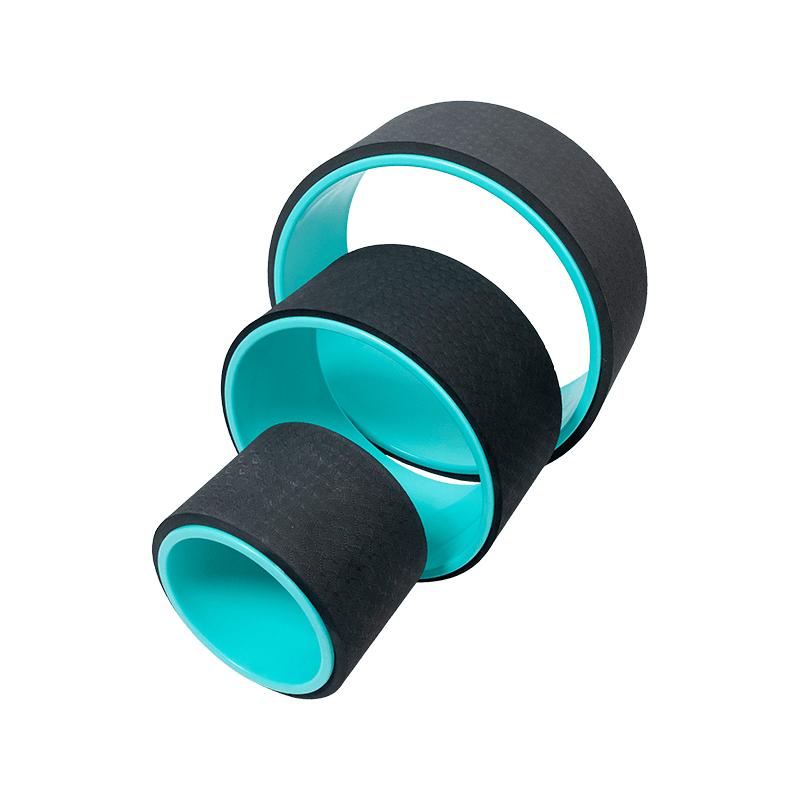
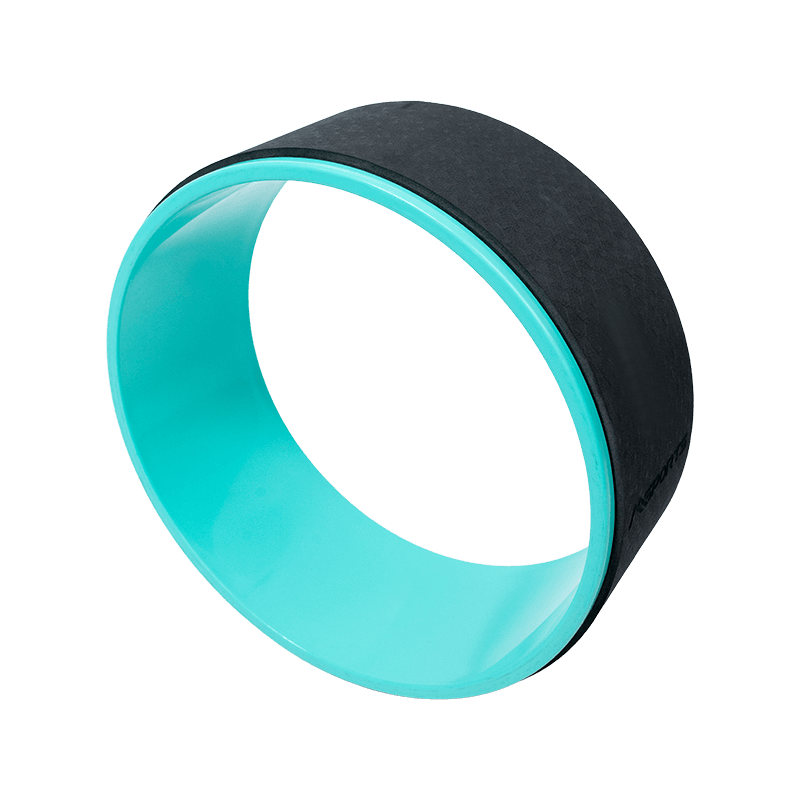
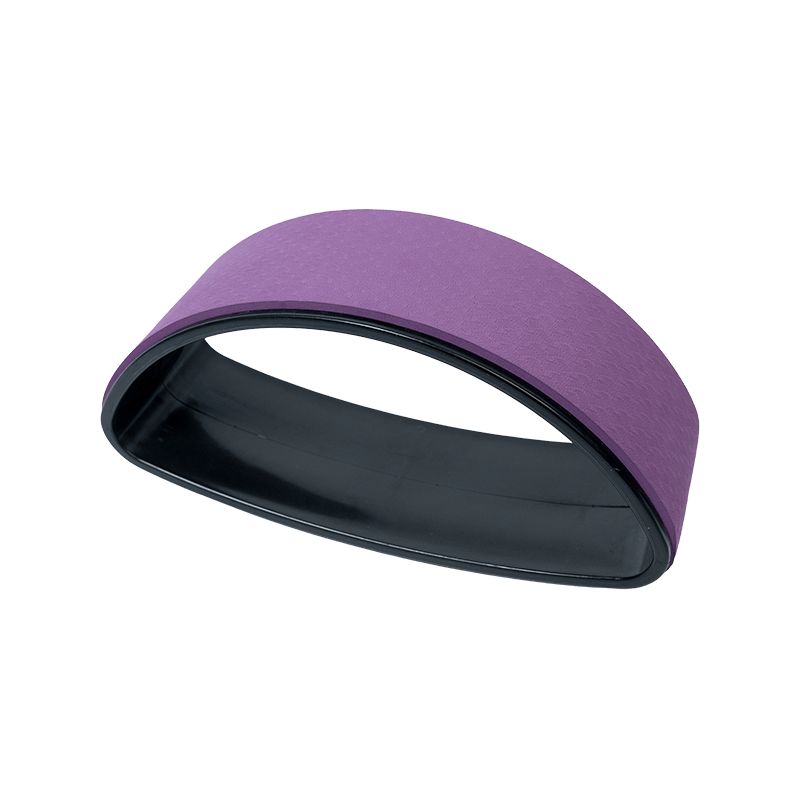
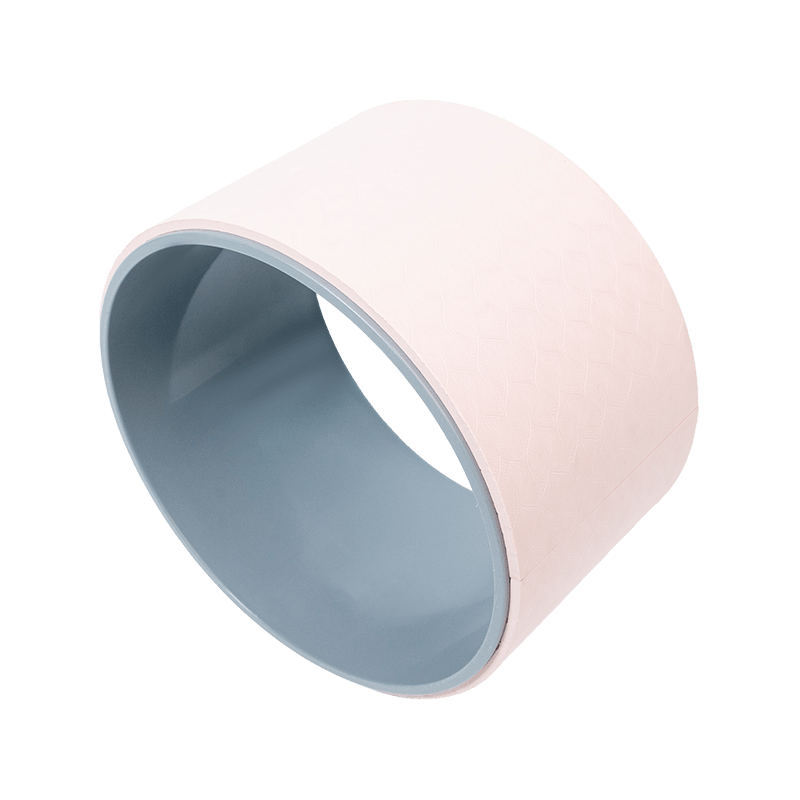
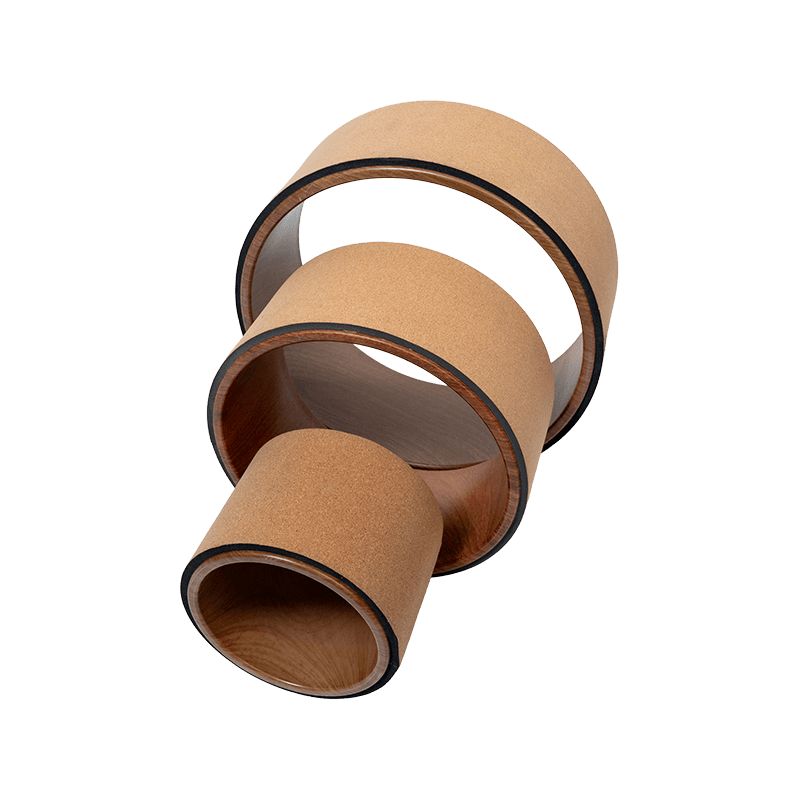
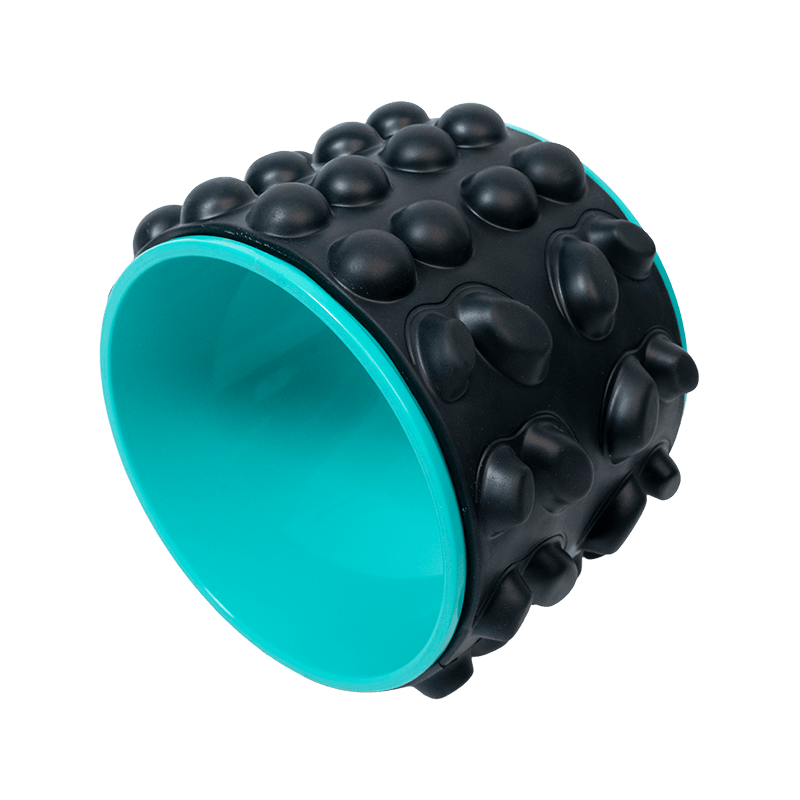
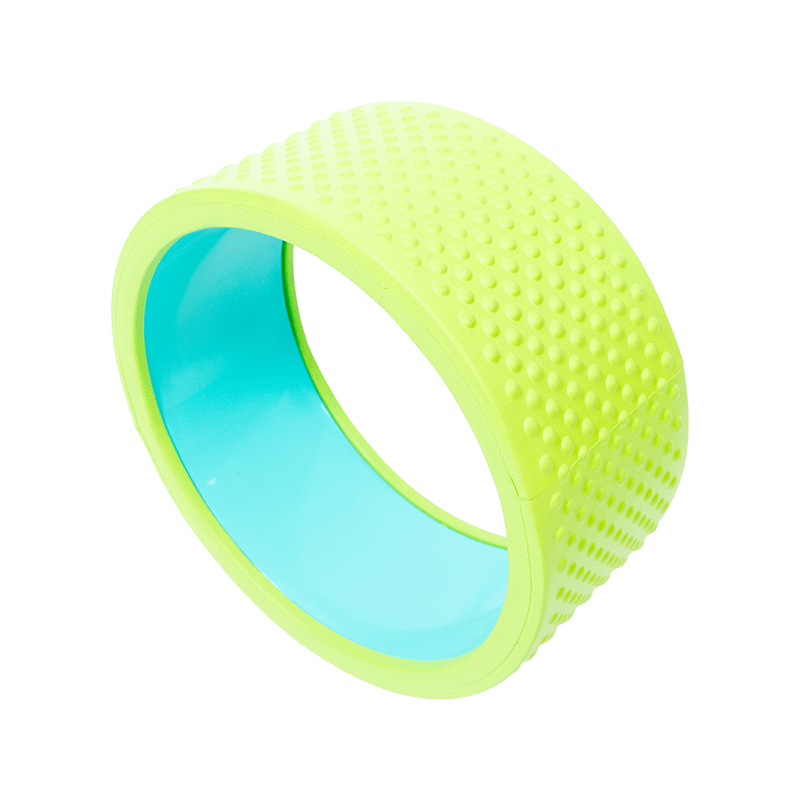
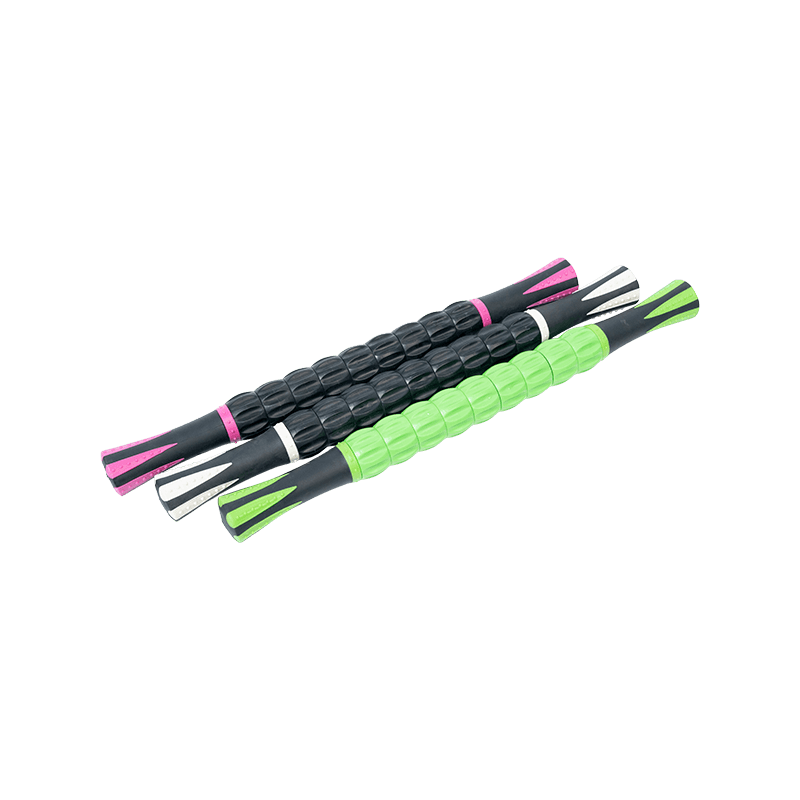
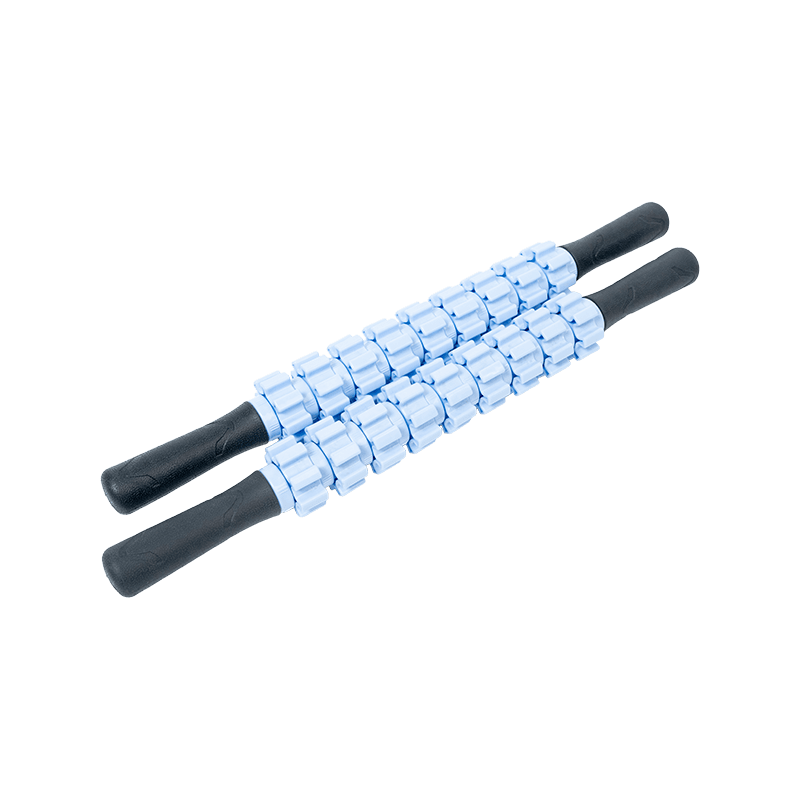
লোয়ার বডি ট্রেনিং ইকুইপমেন্ট
লোয়ার বডি ট্রেনিং ইকুইপমেন্ট encompasses a comprehensive range of machines and free-weight implements engineered to target the gluteal muscles, quadriceps, hamstrings, adductors, and calf complexes. This category includes leg press machines, hack squats, lying and seated leg curl units, leg extension benches, hip thrust platforms, multi-station cable systems with ankle attachments, and specialised rotary calf trainers. Each device incorporates linear bearings, cam-driven resistance profiles, and adjustable starting positions to accommodate varying limb lengths and joint mobility. The equipment is deployed in strength conditioning programmes, post-injury gait retraining, and sport-specific power development across athletic, clinical, and commercial fitness settings. Mechanical specifications include load cell compatibility, pin-selectable weight stacks, pneumatic assist mechanisms for eccentric overload training, and integrated digital feedback systems. Structural frames are fabricated from welded steel tubing with phosphate pretreatment and electrostatic coating to resist corrosion under high-humidity gym environments. The modular design allows for future upgrades, including motorised resistance and cloud-based performance tracking.
বায়োমেকানিক্যাল প্রোফাইল
সরঞ্জামটিতে একটি শক্তি বক্ররেখা রয়েছে যা হাঁটু এক্সটেনসরগুলির টর্ক-কোণ সম্পর্ককে মিরর করে, যার সর্বোচ্চ প্রতিরোধের 70 ডিগ্রি নমনে অবস্থান করে। ক্যাম জ্যামিতি 500 টিরও বেশি বিষয় থেকে মোশন ক্যাপচার ডেটা ব্যবহার করে কম্পিউটার-অপ্টিমাইজ করা হয়েছে। ভেরিয়েবল-ড্যাম্পার সেটিং ব্যবহার করে এক্সেন্ট্রিক ফেজ রেজিস্ট্যান্স 20 শতাংশ বৃদ্ধি করা যেতে পারে, ওজন প্লেট পরিবর্তন না করেই উন্নত ওভারলোড প্রোটোকল সক্ষম করে। বল-বেগ সম্পর্ক একটি মালিকানাধীন সংযোগ ব্যবস্থার মাধ্যমে রক্ষণাবেক্ষণ করা হয় যা দ্রুত পুনরাবৃত্তির সময় জড়ীয় প্রত্নবস্তুগুলিকে হ্রাস করে।
আনুষঙ্গিক সামঞ্জস্য
- তারের-ভিত্তিক ব্যায়ামের জন্য দ্রুত-মুক্তির buckles সহ গোড়ালি চাবুক সেট
- গ্রিপ পছন্দ জন্য বিনিময়যোগ্য পৃষ্ঠ টেক্সচার সঙ্গে ফুট প্লেট
- আংশিক প্রতিনিধি প্রশিক্ষণের জন্য রেঞ্জ-অফ-মোশন রেস্ট্রিক্টর ব্লক
- অ্যাপ-ভিত্তিক ট্র্যাকিংয়ের জন্য ব্লুটুথ সংযোগ সহ ডিজিটাল ডিসপ্লে ইউনিট
- পুনর্বাসনের সময় প্রাথমিক লোড কমানোর জন্য কাউন্টারওয়েট সিস্টেম
- মায়োফেসিয়াল রিলিজ ইন্টিগ্রেশনের জন্য ফোম রোলার সংযুক্তি
মূল সুবিধা
- বায়োমেকানিক্যালি অপ্টিমাইজ করা ক্যাম পাথ যা হাঁটু এবং হিপ এক্সটেনসরের প্রাকৃতিক শক্তি বক্ররেখার সাথে মেলে
- একতরফা প্রশিক্ষণ এবং শক্তি অসামঞ্জস্য সংশোধনের জন্য স্বাধীন অঙ্গের উচ্চারণ
- সিট, ব্যাকরেস্ট এবং গোড়ালি রোলার অবস্থানের জন্য রঙ-কোডেড সূচকগুলির সাথে পপ পিনগুলি দ্রুত সামঞ্জস্য করুন
- বেগ-ভিত্তিক প্রশিক্ষণ প্রতিক্রিয়ার জন্য সমন্বিত রৈখিক অবস্থান ট্রান্সডুসার
- 10 কেজি থেকে 150 কেজি পর্যন্ত সুনির্দিষ্ট প্রগতিশীল ওভারলোডের অনুমতি দেয় 2.5 কেজি ওজনের স্ট্যাক বৃদ্ধি
- গতির পরিসীমা জুড়ে সামঞ্জস্যপূর্ণ প্রতিরোধের জন্য স্ব-তৈলাক্ত বুশিং সহ নিম্ন-ঘর্ষণ গাইড রড
- মসৃণ ব্যস্ততা এবং ওজন প্লেট বিচ্ছিন্ন করার জন্য পেটেন্ট চার-বার লিঙ্কেজ
- স্থান পরিবর্তন ছাড়া বাম এবং ডান পায়ের অগ্রাধিকারের জন্য দ্বৈত-পার্শ্বযুক্ত এন্ট্রি নকশা
বিস্তারিত স্পেসিফিকেশন
| ফ্রেম নির্মাণ | রোবোটিক ওয়েল্ডিং এবং স্ট্রেস-রিলিফ অ্যানিলিং সহ হেভি-ডিউটি 3 মিমি ওয়াল স্টিলের টিউবিং |
| ওজন স্ট্যাক বিকল্প | নাইলন বুশিং সহ কাস্ট আয়রন প্লেট, 100 কেজি, 150 কেজি এবং 200 কেজি কনফিগারেশনে উপলব্ধ |
| সমন্বয় পয়েন্ট | আসনের উচ্চতা, ব্যাকরেস্ট অ্যাঙ্গেল, থাই প্যাডের গভীরতা, গোড়ালি রোলার স্প্যান এবং স্টার্ট-স্টপ ক্যাম |
| প্রতিরোধের প্রক্রিয়া | সিল করা বল বিয়ারিং এবং পলিউরেথেন-কোটেড তারের সাথে ডুয়াল-কেবল এবং পুলি সিস্টেম |
| ব্যবহারকারীর উচ্চতা পরিসীমা | স্ট্যান্ডার্ড সেটিংস সহ 150 সেমি থেকে 200 সেমি; ঐচ্ছিক অ্যাডাপ্টারের মাধ্যমে বর্ধিত পরিসীমা উপলব্ধ |
| ফ্লোর অ্যাঙ্করিং | কম্পন-ড্যাম্পিং প্যাড সহ বোল্ট-ডাউন ইনস্টলেশনের জন্য প্রাক-ড্রিল করা বেস প্লেট |
| সার্টিফিকেশন | CE মার্কিং সহ বাণিজ্যিক ব্যবহারের জন্য EN 957-2 এবং ASTM F2276 সম্মতি |
| পাওয়ার প্রয়োজনীয়তা | 220 V AC, 50-60 Hz, 2 A ডিজিটাল কনসোল এবং মোটর চালিত সহায়তার জন্য |
| অপারেটিং তাপমাত্রা | 70 শতাংশ পর্যন্ত অ ঘনীভূত আর্দ্রতা সহ 10 থেকে 40 ডিগ্রি সেলসিয়াস |
অ্যাপ্লিকেশন দৃশ্যকল্প
- ট্র্যাক এবং ফিল্ড অ্যাথলেটদের জন্য শক্তি এবং কন্ডিশনার প্রোগ্রামগুলি বিস্ফোরক শুরু মেকানিক্সের উপর ফোকাস করে
- নিয়ন্ত্রিত গতির সাথে ওপেন-চেইন এক্সটেনশন ব্যবহার করে পোস্ট-অপারেটিভ কোয়াড্রিসেপস ইনহিবিশন পুনর্বাসন
- লোয়ার ক্রসড সিন্ড্রোমের সাথে উপস্থাপিত অফিস কর্মীদের জন্য গ্লুটিয়াল অ্যাক্টিভেশন সিকোয়েন্স
- সকার এবং রাগবি খেলোয়াড়দের ইনজুরি প্রতিরোধের জন্য অদ্ভুত হ্যামস্ট্রিং প্রশিক্ষণ
- জেরিয়াট্রিক ফিটনেস ক্লাসগুলি কম লোড এবং রেঞ্জ লিমিটার সহ সিটেড লেগ প্রেস ব্যবহার করে
- কার্যকরী ক্ষমতা মূল্যায়নের জন্য আইসোমেট্রিক এবং আইসোকিনেটিক ডায়নামেট্রি সংযুক্তি প্রয়োজন
- লোড মার্চিং এবং বাধা ক্লিয়ারেন্সের জন্য সামরিক এবং কৌশলগত কর্মীদের প্রশিক্ষণ
- নিম্ন অঙ্গ প্রস্থেটিক্সযুক্ত ব্যক্তিদের জন্য অভিযোজিত ফিটনেস প্রোগ্রাম
তুলনামূলক প্রতিরোধের প্রোফাইল
নিরাপত্তা ইন্টারলক
- স্বয়ংক্রিয় স্টপ মেকানিজম যা প্রতি সেকেন্ডে 1.2 মিটার ছাড়িয়ে গেলে জড়িত থাকে
- জরুরী রিলিজ হ্যান্ডেল উপবিষ্ট ব্যবহারকারীর নাগালের মধ্যে অবস্থিত
- ওভারলোড সুরক্ষা ফিউজ যা কারেন্ট 15 A-এর বেশি হলে মোটর চালিত সহায়তাকে সংযোগ বিচ্ছিন্ন করে
- সর্বোচ্চ পরিশ্রমের সময় পা পিছলে যাওয়া রোধ করার জন্য উঁচু প্রান্ত সহ নন-স্লিপ ফুটপ্লেট
- দ্বৈত মাইক্রো-সুইচ যা নড়াচড়ার আগে ওজন পিনের যথাযথ ব্যস্ততা অনুভব করে
- বিদ্যুতের ক্ষতির ক্ষেত্রে স্টার্ট পজিশনে নিরাপদ প্রত্যাবর্তনের জন্য দ্রুত-ডিফ্লেশন এয়ার স্প্রিং
ইনস্টলেশন প্রয়োজনীয়তা
- ন্যূনতম 25 MPa এর সংকোচন শক্তি সহ সমতল, অ-ছিদ্রযুক্ত মেঝে পৃষ্ঠ
- ডিজিটাল উপাদান এবং মোটর চালিত সহায়তার জন্য ডেডিকেটেড 220 V AC পাওয়ার আউটলেট
- ওভারহেড তারের সংযুক্তি পয়েন্টের জন্য ন্যূনতম সিলিং উচ্চতা 2.8 মিটার
- ঐচ্ছিক সিলিং-মাউন্ট করা স্টেবিলাইজার কিটের জন্য একটি কাঠামোগত মরীচিতে অ্যাক্সেস
- নিরাপদ অপারেশন এবং ডেটা পড়ার জন্য কমপক্ষে 300 লাক্সের পরিবেষ্টিত আলো
- জরুরী কর্মীদের অ্যাক্সেসের জন্য পিছনে 1.8 মিটারের পর্যাপ্ত ক্লিয়ারেন্স
প্রশিক্ষণ প্রোগ্রাম ইন্টিগ্রেশন
সরঞ্জামগুলি মাইক্রোসাইকেল সামঞ্জস্য সহ পর্যায়ক্রমিক প্রোগ্রামগুলিতে একত্রিত করা যেতে পারে। পিন-নির্বাচনযোগ্য লোড রৈখিক পিরিয়ডাইজেশন সহজতর করে, 2.5 কেজি হিসাবে কম বৃদ্ধির অনুমতি দেয়। বেগ-ভিত্তিক প্রশিক্ষণ মেট্রিক্স স্বয়ংক্রিয় নিয়ন্ত্রণ সক্ষম করে; ট্রান্সডুসার ডেটা আরও বিশ্লেষণের জন্য CSV ফাইল হিসাবে রপ্তানি করা যেতে পারে। দলের সেটিংসের জন্য, একাধিক ইউনিটকে একটি কেন্দ্রীয় ট্যাবলেটে গোষ্ঠী পর্যবেক্ষণের জন্য নেটওয়ার্ক করা যেতে পারে। হাইপারট্রফি, শক্তি, শক্তি এবং সহনশীলতার জন্য পূর্ব-প্রোগ্রাম করা রুটিনগুলি কনসোল ইন্টারফেসের মাধ্যমে অ্যাক্সেসযোগ্য। সিস্টেমটি স্বতন্ত্র লোড-ইতিহাস ট্র্যাকিং সহ কাস্টম ব্যবহারকারী প্রোফাইল সমর্থন করে।
পরিবেশগত সহনশীলতা
- অপারেটিং তাপমাত্রা পরিসীমা: 10 ডিগ্রি সেলসিয়াস থেকে 40 ডিগ্রি সেলসিয়াস
- আপেক্ষিক আর্দ্রতা সহনশীলতা: 30 শতাংশ থেকে 70 শতাংশ নন-কন্ডেন্সিং
- উচ্চতা রেটিং: পারফরম্যান্স ডিরেটিং ছাড়াই 2000 মিটার পর্যন্ত
- সুরক্ষা শ্রেণী: সমস্ত ইলেকট্রনিক ঘেরের জন্য আইপি 20
- অ্যাকোস্টিক নয়েজ লেভেল: সর্বোচ্চ লোডে 65 ডিবি এর নিচে
- কম্পন বিচ্ছিন্নতা: বিল্ট-ইন ইলাস্টোমেরিক মাউন্ট মেঝেতে সংক্রমণ কমাতে
কাস্টমাইজেশন বিকল্প
- 20 RAL স্ট্যান্ডার্ড ফিনিশের প্যালেট থেকে ফ্রেমের রঙ নির্বাচন
- 80 কেজির কম, 80-120 কেজি এবং 120 কেজির বেশি ব্যবহারকারীর ওজন বিভাগের জন্য কাস্টম প্যাড ফোমের ঘনত্ব
- লোগো বসানো সহ লেজার-খোদাই করা লোড চার্ট
- বিকল্প হ্যান্ডেলবার আকার: সোজা, কোণ বা ঘূর্ণায়মান গ্রিপ ভেরিয়েন্ট
- প্রাতিষ্ঠানিক ক্রেতাদের জন্য ব্যক্তিগতকৃত স্টার্ট-আপ স্ক্রিন এবং ইউনিট লেবেলিং
- এক্সটার্নাল প্লেটের জন্য অতিরিক্ত ওজন স্টোরেজ পেগ
প্রায়শই জিজ্ঞাসিত প্রশ্নাবলী
অপারেশনাল নোট
- নিশ্চিত করুন যে ফ্লোর অ্যাঙ্কর বোল্টগুলি প্রথম ব্যবহারের আগে 120 Nm টর্ক করা হয়েছে এবং ত্রৈমাসিকভাবে পুনরায় পরীক্ষা করা হয়েছে
- নিরাপদ প্রবেশ এবং প্রস্থানের জন্য সরঞ্জামের সামনে 1.5 মিটার একটি পরিষ্কার এলাকা বজায় রাখুন
- উপাদানের অবক্ষয় রোধ করতে প্রতিটি সেশনের পরে অ-ক্ষয়কারী জীবাণুনাশক দিয়ে সমস্ত প্যাড এবং রোলার মুছুন
- সর্বোচ্চ স্ট্যাকের ক্ষমতা অতিক্রম করবেন না; শুধুমাত্র নির্ধারিত স্টোরেজ পেগগুলিতে বহিরাগত প্লেট যোগ করুন
- প্রতিটি প্রশিক্ষণের দিন আগে সমস্ত পপ পিন এবং স্প্রিং-লোডেড ডিটেন্টগুলির একটি চাক্ষুষ পরিদর্শন করুন
- বৈদ্যুতিন উপাদানগুলিকে রক্ষা করতে 65 শতাংশের নিচে আপেক্ষিক আর্দ্রতা সহ একটি জলবায়ু-নিয়ন্ত্রিত এলাকায় সরঞ্জামগুলি সংরক্ষণ করুন
- বুশিং অখণ্ডতা রক্ষা করতে শুধুমাত্র প্রস্তুতকারক-নির্দিষ্ট লুব্রিকেন্ট ব্যবহার করুন
- মোটর হাউজিংয়ের বায়ুচলাচল স্লটগুলি ধুলো এবং ধ্বংসাবশেষ থেকে পরিষ্কার রাখুন